EndoTODAY 내시경 교실
Beginner | ESA | Schedule | OPD
Seminars | Atlas | Recent | Links
 [Pulmonary hypertension. PH. 폐고혈압. PAH. 폐동맥고혈압] - 終
 1. pulmonary hypertension (정의: mean PAP>= 25 mmHg)
2. Pulmonary arterial hypertension 폐동맥고혈압 (정의: mean PAP>= 25 mmHg, mean PCWP <= 15mmHg)
증상: dyspnea, fatigue, chest pain, syncope
원인: idopathic, HIV, CTD (connective heart disease), POPAH (porto-pulmonary hypertension)...
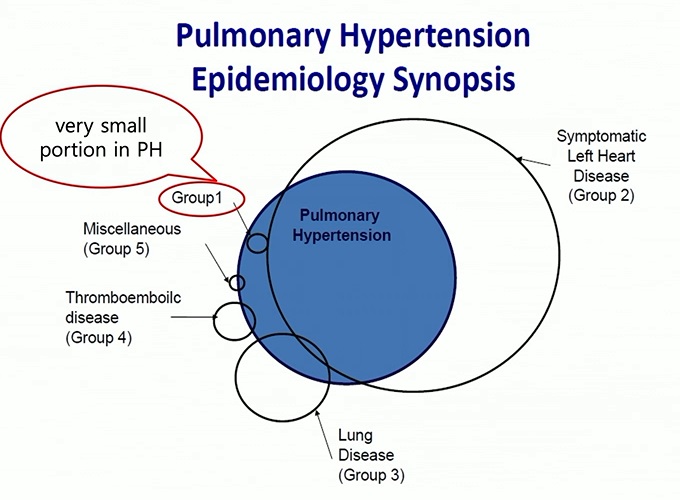
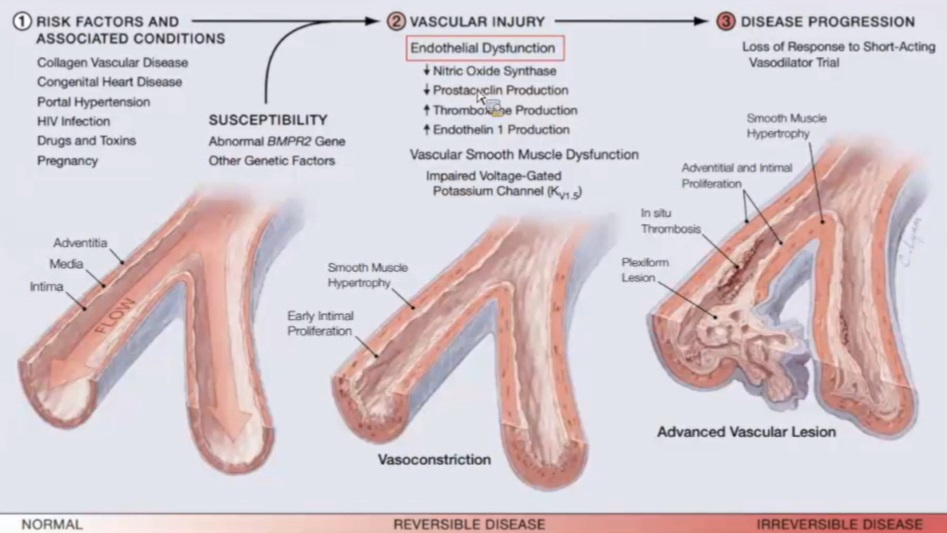
accessed 2024-4-28. 2021년 강의 (?)
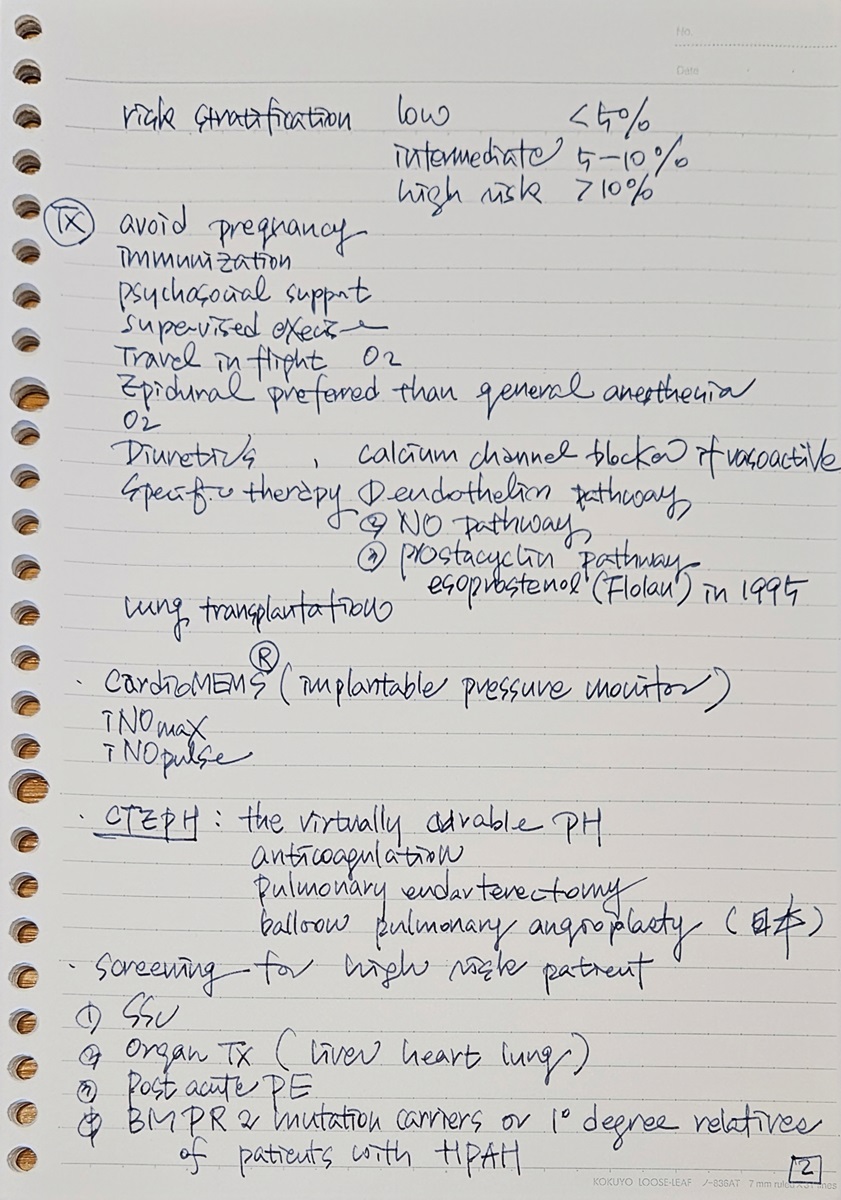
2024-4-28 note
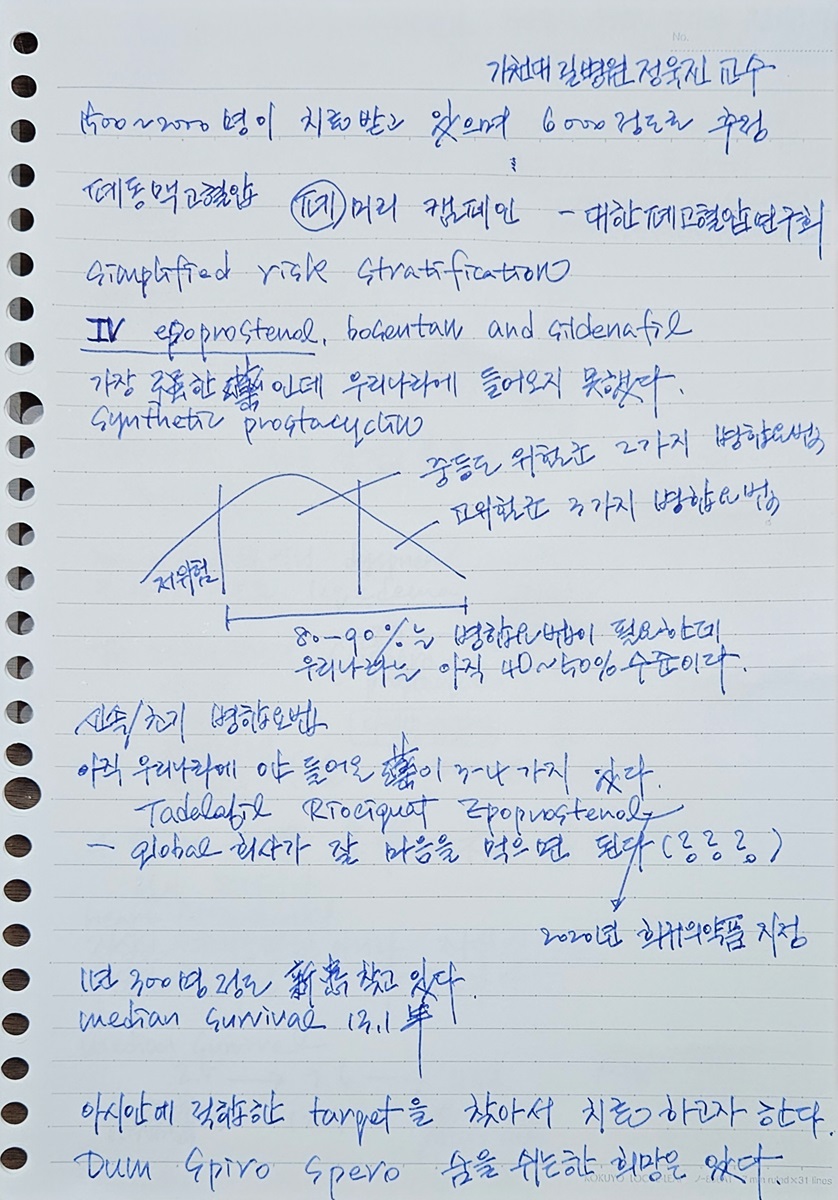
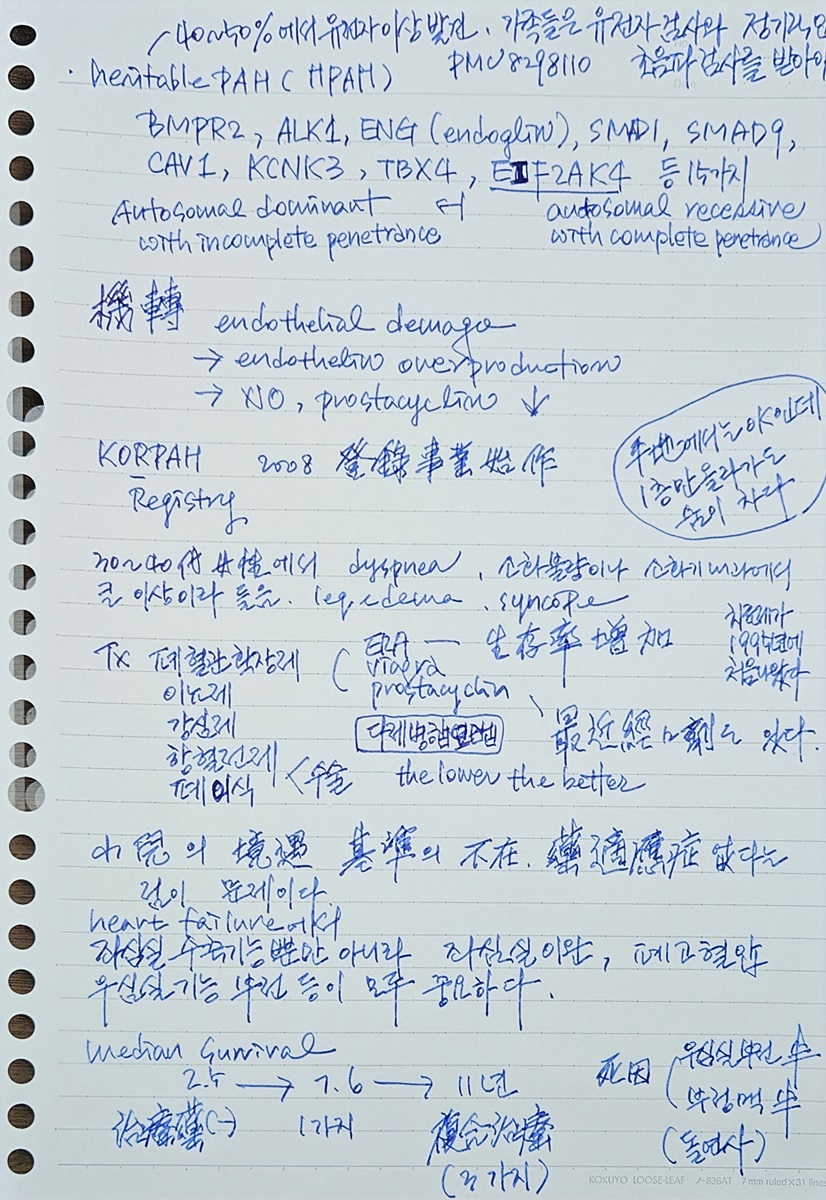
장교수님 강의 (2022/7) 메모
PAH is characterised by a progressive pulmonary arterial vasculopathy. Subsequent increased pulmonary vascular resistance (PVR) and pulmonary arterial pressure lead to increased right ventricular (RV) afterload with subsequent RV dysfunction, failure and premature death. Despite the availability of specific therapies targeting three main pathways, PAH associated with SSc (SSc-PAH) is associated with a poor prognosis with 3-year survival of only 52%. Patients with SSc may also develop other forms of PH (SSc-PH), especially PH-LHD (SSc-PH-LHD) and PH-lung (SSc-PH-lung). Pulmonary venous involvement may be relatively common in patients diagnosed with SSc-PAH while some patients may present with a predominant picture of pulmonary veno-occlusive disease (PVOD). Patients may also rarely present with group 4 disease, chronic thromboembolic pulmonary hypertension, as SSc is associated with an increased risk of venous thromboembolism.
4. Pulmonary hypertension in hereditary hemorrhagic telangiectasia
Hereditary hemorrhagic telangiectasia (HHT) is a rare autosomal dominant hereditary disorder characterized by recurrent spontaneous epistaxis, mucocutaneous telangiectasias, and solid organ arteriovenous malformations (AVMs). Pulmonary hypertension (PH) is an increasingly recognized complication in patients with HHT, most often precipitated by high-output heart failure in the presence of hepatic AVMs as well as pulmonary arterial hypertension in the form of a proliferative vasculopathy. The presence of PH in patients with HHT is associated with significant elevations in rates of morbidity and mortality. Additionally, there is growing recognition of a thromboembolic propensity in this population that increases the risk of chronic thromboembolic PH, posing unique clinical considerations regarding the use of anticoagulation. Patients with HHT are also at risk of PH due to disorders commonly seen in the general population, including left-sided heart and lung disease. The etiology of PH in HHT is multifaceted and complex; the diagnostic approach and treatment strategies must consider the underlying pathophysiology of HHT.
[References]
1) 폐동맥고혈압 환우회
2) 길병원 TV 정욱진 (폐고혈압연구회 회장)
3) 폐동맥고혈압의 약물치료 삼성서울병원 장성아 (2022/7)
4) 폐동맥고혈압 환자의 건강관리 삼성서울병원 장성아 (2021/8)
5) 헬스조선 2022 인천세종병원 김경희 선생님의 쉬운 설명
6) 부산대병원 TV 최정현
7) 제7회 세브란스 폐고혈압의 날 2018년
8) Mount Sinai grand round 2019년 - memo 1, 2
9) 폐동맥고혈압 환우를 위한 국가 의료비 지원 안내 폐동맥고혈압 환우회 (2024)
© 일원내시경교실 바른내시경연구소 이준행. EndoTODAY Endoscopy Learning Center. Lee Jun Haeng.